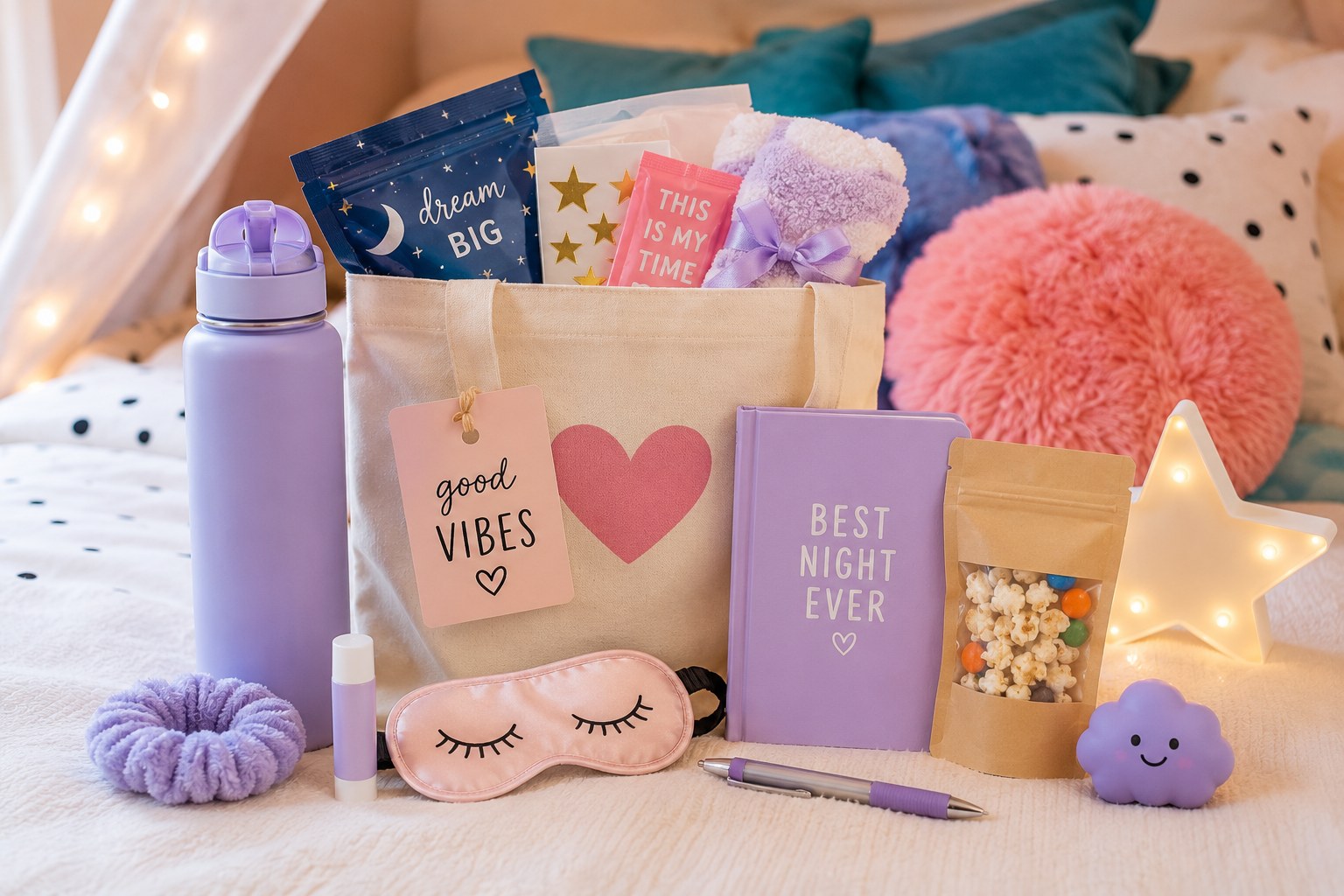
You have been on the receiving end of enough goody bags to know how this usually goes. Your daughter comes home with a cellophane bag full of plastic rings, a sticker, three pieces of leftover candy, and a tiny stuffed animal. By Tuesday it is all in the kitchen drawer. By Sunday it is in the trash.
You do not want to be the parent who did that. The good news is that a goody bag that actually gets used is not more expensive or more work. It just gets built differently.
The Rule of 3 Plus 1
The fastest way to fix a goody bag is to stop trying to fill it with seven small things and start thinking about four good things. Three small items that get used in the next 48 hours, plus one anchor item that is genuinely worth the spend. That is the whole formula.
The three small items break down into three buckets, and the anchor sits separately. Pick one item from each bucket and you have a goody bag that lands with the kid AND the parent.
- Bucket 1: One thing she will eat before she gets home. Edible, individually wrapped, kid-favorite.
- Bucket 2: One thing she will use by Sunday morning. A hair clip set, a pen pack, a lip balm. Something practical with a cute factor.
- Bucket 3: The anchor. The one item that elevates the whole bag. Costs more, but the kid will keep it for months. This is where most goody bags fail.
The fourth piece is the bag itself, which matters more than you would think. We will get to that.
The Edible Thing (Bucket 1)
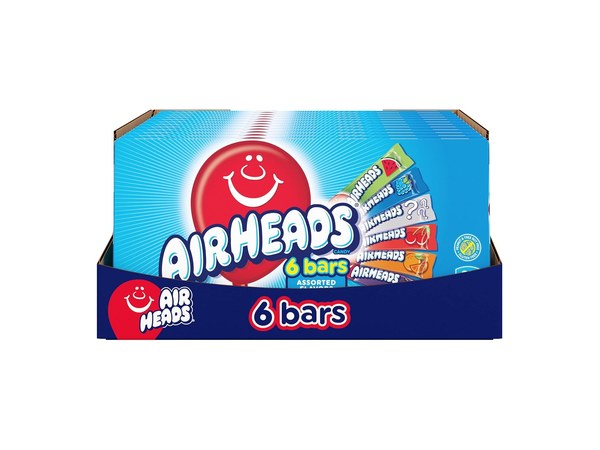
The safest edible bet is movie theater candy. Airheads, Skittles, individual boxes of fruit snacks. It survives the car ride home, it tastes the way kids want candy to taste, and parents are mostly okay with one box on a Saturday afternoon.
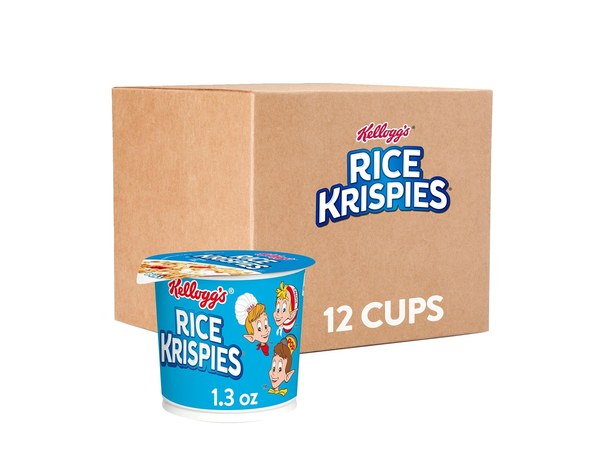
Mini Rice Krispies treats are the surprise winner here. Individually wrapped, dependable, no nut warnings, and somehow every kid is excited to find one in her bag. You can buy them by the case for less than candy.
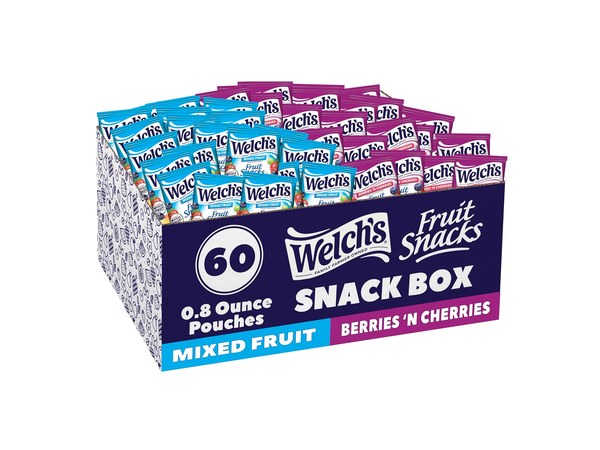
Welch's Fruit Snacks are the option for parents who want to feel slightly better about the sugar. The mixed fruit box is a recognizable brand, perceived as "healthier" than candy, and the kids never complain about getting them.
This post contains affiliate links. As an Amazon Associate I earn from qualifying purchases.
The Use-It-Tomorrow Thing (Bucket 2)
This is the bucket where most goody bags go wrong. Plastic dinosaur figurines and bouncy balls go straight to the drawer. The trick is to pick something a tween girl would actually want to use the next day at school or at home.
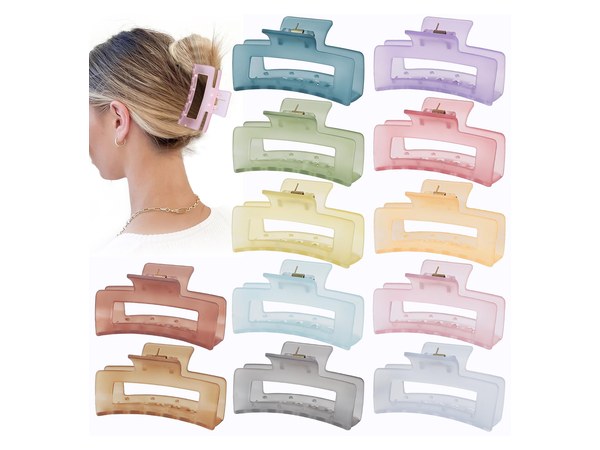
Hair claw clips are the safest bet for ages 7 to 12. Small claw clips have been having a moment for two years and show no signs of fading. A 12-pack splits across six girls (two each), which works out to about $1.50 per girl. Cute, useful, and immediately put to use the next morning.
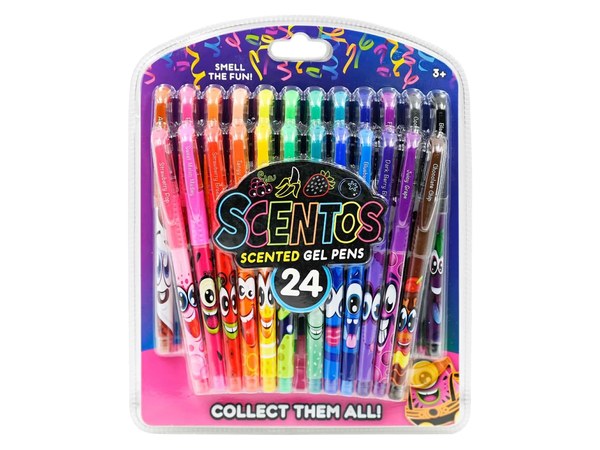
Scented gel pens are the second-safest bet. Girls in this age range love decorating notebooks, journals, and birthday cards. A 24-pack splits across six girls cleanly. The scented version adds the small joy factor that elevates it from "a pen" to "the pen she keeps in her pencil case."
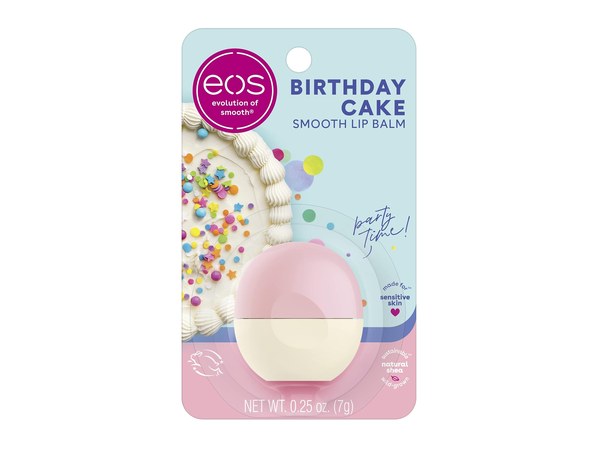
EOS lip balm spheres are the third option, and depending on your group, might be the best one. Tween girls and their lip balm. Buy a multi-pack, give each girl one in her flavor, and you have spent under $2 a kid on something they will use every day for a month.
Worth knowing: Buy in bulk and split across goody bags. A 12-pack of hair clips, a 24-pack of pens, and a 6-pack of lip balms covers about six goody bags' worth of bucket 2 items for under $40 total. The kids will not know it was a bulk buy. They will know they got their own.
The Anchor (Bucket 3, Worth the Spend)
The anchor is the item that turns a goody bag from a participation prize into a real takeaway. It is the thing the kid still has six months later. It is the item the parent does not throw away. It costs more than a dollar tree item, and that is okay.
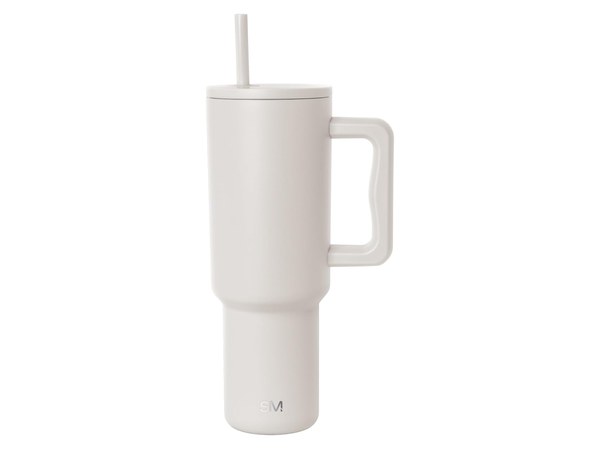
A kid-sized insulated water bottle is the highest-utility anchor. Simple Modern is the brand parents trust, and the kid will carry it to school every day for the rest of the year. At around $20, it is more spend than a standard goody bag, but split across the favors and you can cut bucket 2 down to a single item.
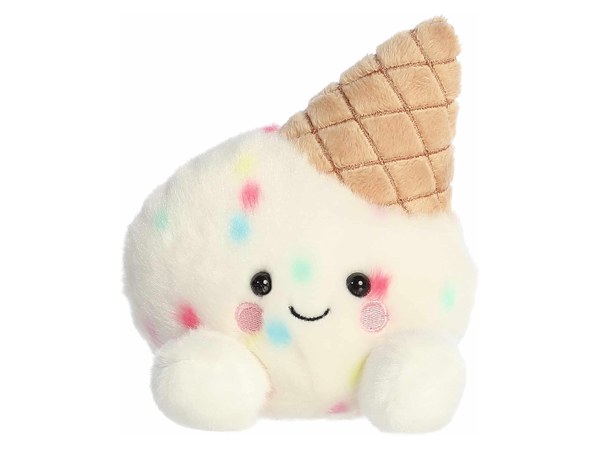
A small Palm Pals plush is the anchor item that works at every age in this range. Under $10, fits in a goody bag without dwarfing it, and tween girls are deep into collecting them right now. Each one has a different design (ice cream cones, donuts, fruits, animals), so you can hand-pick one per girl and feel like you actually thought about it. Soft enough to clip on a backpack, small enough that her parents will not roll their eyes.
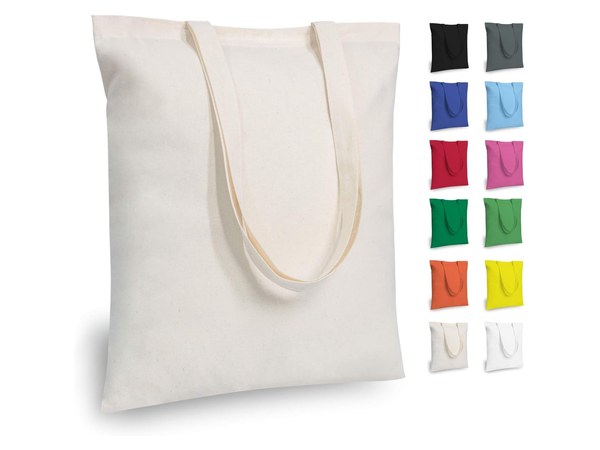
Or skip the anchor entirely and go the personalization route. A simple tote bag with the kid's name handwritten on it (or printed with iron-on letters) is a goody bag item that gets used as a school bag, library tote, or sleepover bag for months. The personalization is what elevates it from "a plain tote" to "her tote."
Good to know: The anchor can replace bucket 2 if you want to simplify. A solid water bottle plus an edible bite in a personalized tote is a complete goody bag that does not need anything else. Three items, zero plastic landfill, every kid happy.
The Bag Itself
The container matters. A cellophane bag with a curly ribbon reads as "I bought this in a hurry" no matter how nice the contents are. The bag is the first thing the parent sees at pickup and the last thing the kid touches before bed. Get it right and the whole goody bag feels intentional.
Three options that work, ranked by effort:
- Plain canvas tote: The highest-effort, highest-payoff option. Write each girl's name on the front with a paint pen or iron on letters. Becomes a school bag the next day.
- Reusable kraft paper bag with handles: The middle path. Looks like a small shopping bag, costs almost nothing, and the parent throws it away guilt-free if she wants to.
- Plain brown paper lunch bag stamped with a sticker: The minimum viable option. Honest, cute, and recyclable. Works fine.
What does not work: cellophane (rips, looks cheap), plastic gift bags (ends up in the trash), and anything with the kid's age printed on it that they will outgrow in six months.
What to Skip Entirely
A short list of items that consistently fail the use-test. None of these are bad. They just do not get used.
- Plastic rings, bracelets, and necklaces (the kid wears them once and they break)
- Small stuffed animals (already too many at home)
- Mini play-doh tubs (open them once, dry out, throw away)
- Stickers as the main item (fine as a bonus, not as the main)
- Generic plastic toys (the kind every birthday goody bag has, the kind every parent throws out)
If you are saving budget anywhere, save it on these. Put the extra money into a better anchor.
Why This Approach Works
The goal of a goody bag is not to give the kid as much stuff as possible. The goal is to make her feel like the party host thought about her. Three good things plus one great thing in a real bag does that. Seven random items in cellophane does not.
Parents will notice. Parents talk. The "Sarah's mom always does such cute goody bags" reputation is a real thing in tween friend circles, and it costs about the same as the cellophane version. Build it once, find your formula, and use it for every party.
If you want a Sleepover Club party box, every one of them includes a goody bag that is built this way. Curated items, real bags, no plastic landfill. Delivered to your house in Timonium, Towson, Pikesville, and Baltimore County. You handle the cake.
Keep Reading
Let's Build Her Dream Party
Teepee rentals and party boxes for girls who deserve something beautiful.
Booking a teepee sleepover in Baltimore County?
Sleepover Club styles teepee sleepovers across the north-Baltimore corridor. See the page for your area: